Odor control is one of the most important reasons buyers choose a cat litter. It is also one of the easiest properties to oversimplify. A claim such as “high CEC means strong deodorization” sounds convincing, but it does not describe everything that happens after a cat uses the litter box.
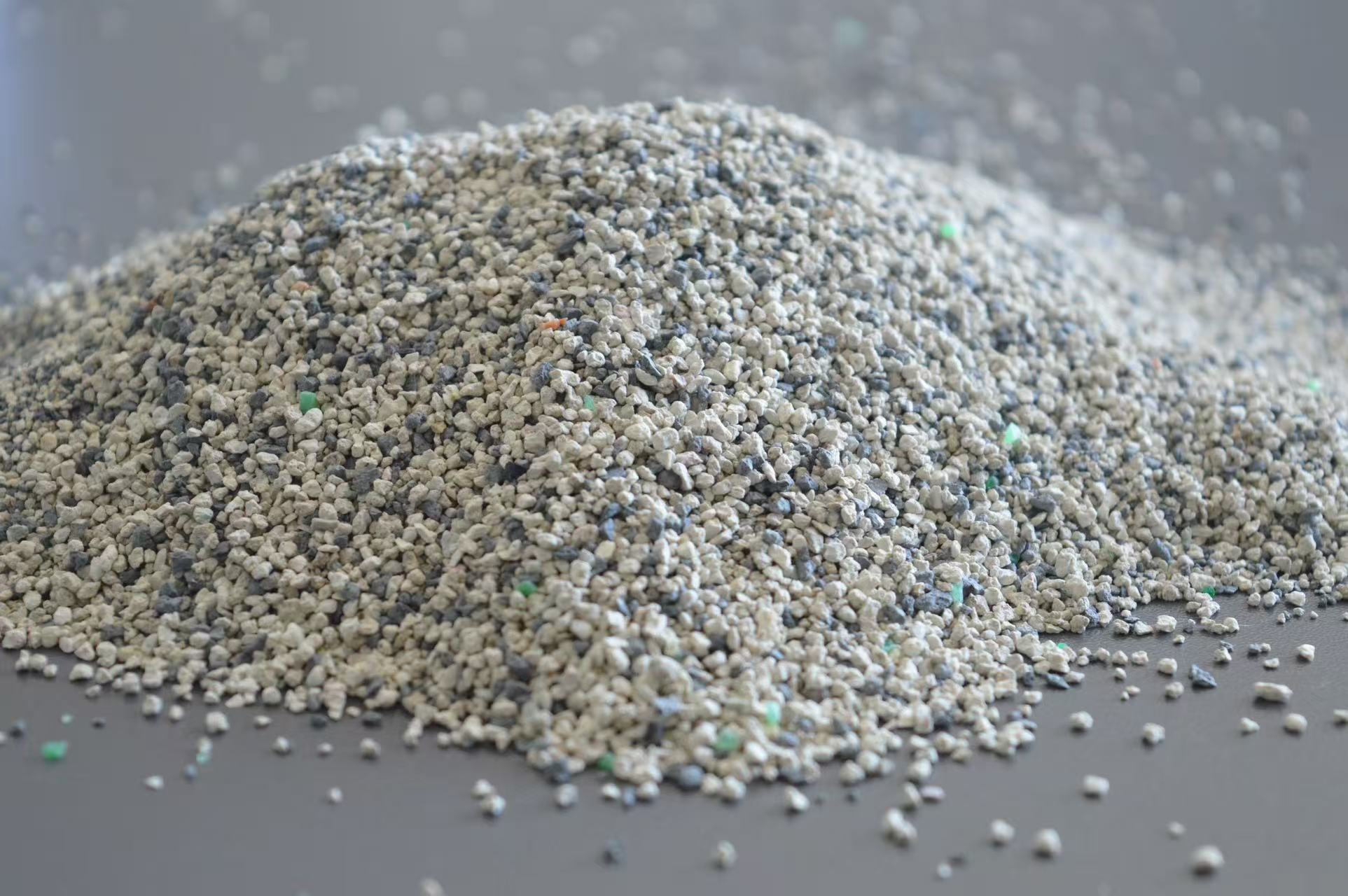
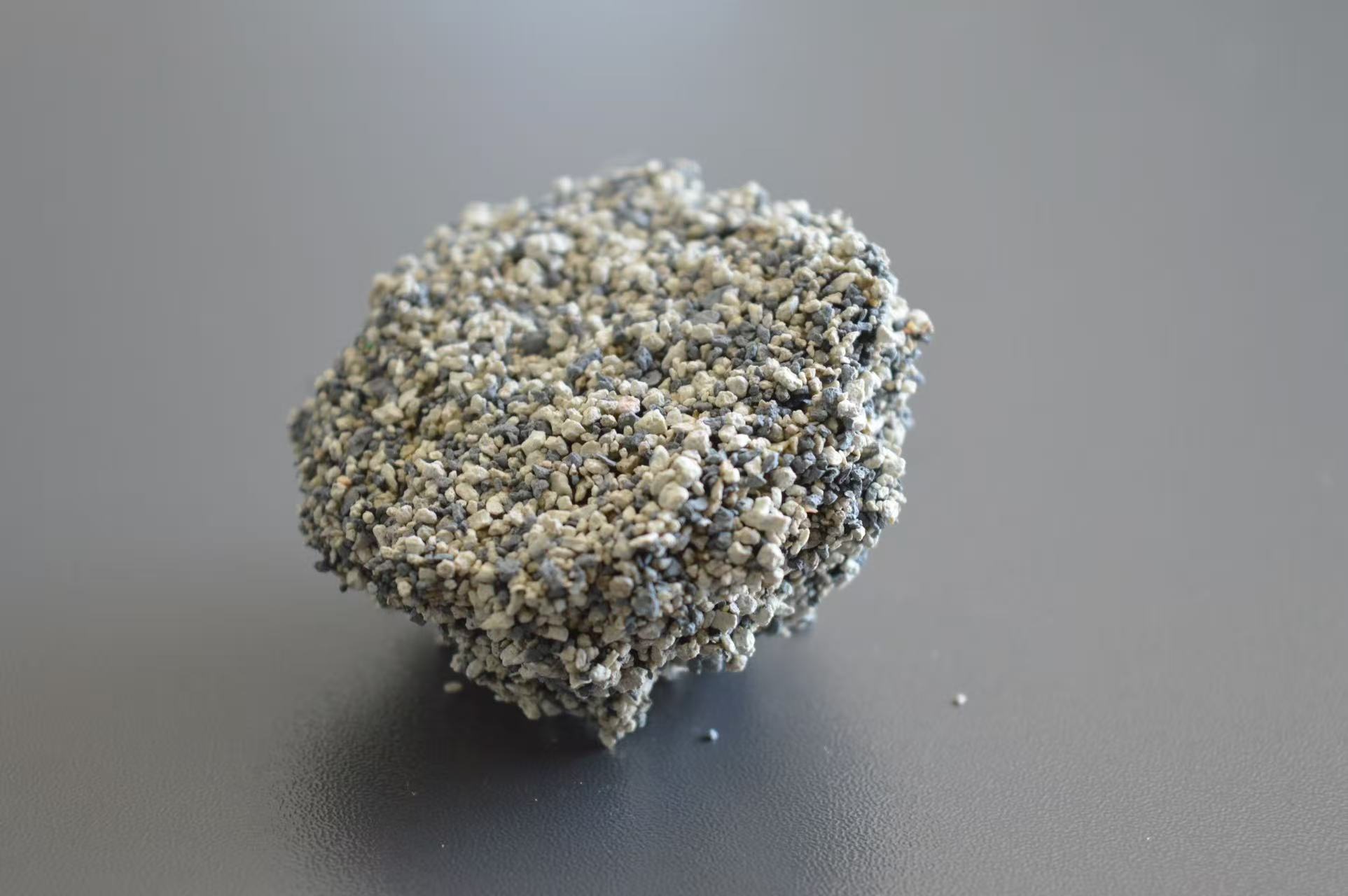
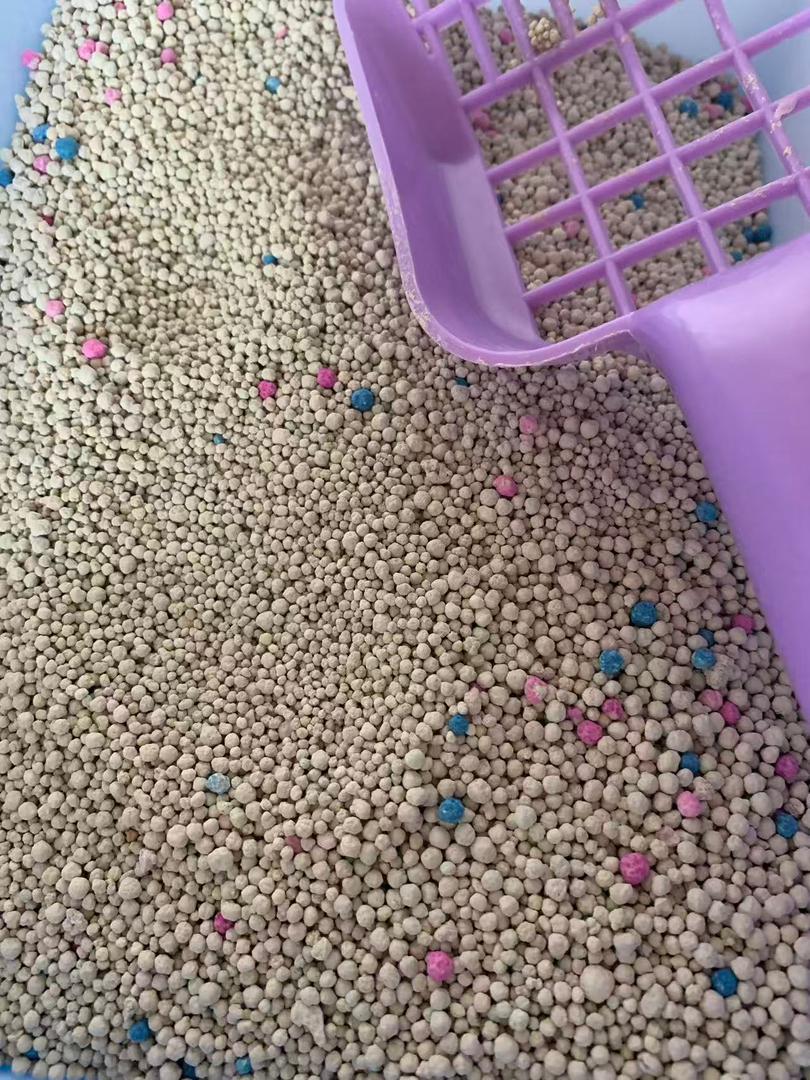
To understand performance, it helps to separate three questions: What causes the odor? What can bentonite capture? And how does the finished litter manage the wet material over time?
Where does the ammonia smell come from? Fresh cat urine contains urea. As urine remains in the litter box, microbial activity can break down urea and contribute to ammonia production. The balance between dissolved ammonium (NH₄⁺) and volatile ammonia (NH₃) is affected by conditions such as pH.
Other odor compounds also matter. Cat litter can be exposed to sulfur-containing compounds and other volatile substances from urine and feces. A material that performs well against ammonium may therefore still need help controlling the overall smell perceived by a person.
What do montmorillonite and CEC contribute?Montmorillonite is an important clay mineral in many bentonites. Its structure carries negatively charged sites balanced by exchangeable cations. Cation exchange capacity, or CEC, describes the amount of positive charge the clay can exchange under a specified test method. It is commonly reported as meq/100 g or cmol(+)/kg.
This gives bentonite a relevant mechanism for interacting with ammonium ions in a wet litter bed. Montmorillonite can take up NH₄⁺ through cation exchange. In principle, a material with more accessible exchange sites may offer greater potential to retain ammonium.
But CEC is a laboratory property, not a direct measurement of cat litter odor control. It does not tell us how quickly urine reaches the clay, how much ammonium is present, whether other ions compete for exchange sites, or how much ammonia escapes into the air.
Why does clumping matter? A good clumping litter rapidly absorbs urine and forms a cohesive clump that can be removed. That physical action is central to odor management: it helps keep wet material localized and allows the owner to remove a source of future odor.
Granule size, particle distribution, absorption rate and clump strength all influence this process. Two bentonites with similar CEC values can produce different finished litters if one forms a firm, removable clump and the other leaves wet material dispersed through the tray.
What about activated carbon and silica gel?In a blended litter, ingredients can perform different jobs. Activated carbon may help adsorb certain volatile odor compounds, depending on its pore structure and the formulation. Silica gel contributes moisture-handling capacity. Bentonite provides the mineral base and the clumping behavior.
These functions can complement one another, but adding an ingredient does not automatically prove better odor control. Its amount, particle form, distribution and interaction with the bentonite must be evaluated in the finished product.
How should a buyer evaluate an odor-control claim?A useful evaluation combines material data with tests on the actual litter:
Raw material: montmorillonite content, CEC or methylene blue test results, with the test methods stated.
Finished granules: particle-size distribution, dust, absorption behavior and clump strength.
Odor performance: measured ammonia in the air above the used litter under defined conditions, together with assessment of other relevant odors.
Repeated use: performance after multiple wetting events and routine clump removal.
Testing only a dry powder's CEC misses much of the customer experience. Likewise, a pleasant fragrance may change how a litter smells initially without demonstrating that it controls the underlying odor compounds.
The practical conclusion Montmorillonite and CEC help explain one part of bentonite cat litter's odor-control potential: interaction with ammonium ions. The result experienced at home depends on the whole product—how quickly it absorbs urine, how reliably it clumps, which other odor compounds it addresses and how easily the used litter can be removed.
For manufacturers and private-label buyers, the strongest approach is to compare both the mineral properties and the performance of the finished litter under the same test conditions.
HERMANO NEW MATERIALS supplies bentonite-based cat litter and supports product selection for different markets and packaging requirements. Contact us to discuss the mineral base, granule design and performance targets for your litter range.


